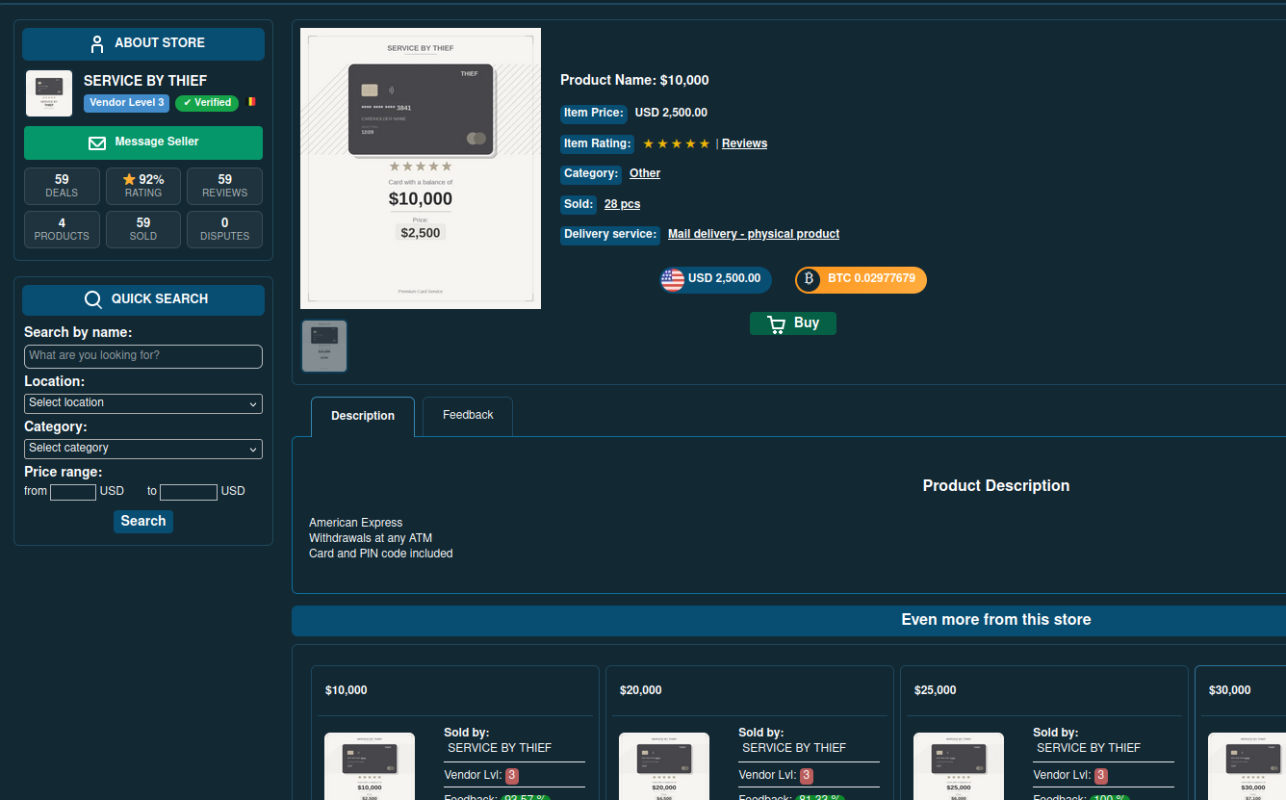
The dark web, a segment of the internet not indexed by traditional search engines, encompasses various activities and entities, including illicit marketplaces, forums, and services. Accessing these sites typically requires the use of specialized software, such as Tor, that anonymizes user activity. One common type of link found on the dark web is the '.onion' link, which serves as a gateway to hidden services, facilitating access to both legal and illegal activities. This article explores the nature of these links and their implications for users.
For further information on navigating dark web onion links, visit our dedicated sections.
- Understanding Onion Links
Onion links are unique URLs that can only be accessed through the Tor network. They generally take the form of a long string of random characters followed by '.onion'. The structure of these links is designed to obscure the location and identity of both the user and the host. These characteristics make them an attractive option for illegal activities, including the sale of drugs, weapons, and stolen data.
Accessing an onion site requires the Tor browser, which encrypts internet traffic and routes it through a series of volunteer-operated servers, or nodes. This process enhances user anonymity but also poses risks. Law enforcement agencies monitor these networks, and unsuspecting users can inadvertently expose themselves to criminal liability or scams.
Examples of activities associated with onion links include:
- Purchasing illicit goods and services
- Engaging in forums discussing hacking techniques
- Sharing information related to identity theft and credit card fraud
Users must take precautions when exploring these hidden services.
- Navigating Dark Web Markets
Dark web marketplaces often resemble traditional e-commerce platforms but operate under a veil of anonymity. Users typically transact using cryptocurrencies, which further obscures financial trails. The marketplace operates with a reputation system where vendors and buyers are reviewed, contributing to a dynamic ecosystem of trust and risk.
However, engaging in transactions on these platforms carries substantial risks. The potential for scams is high, as less scrupulous vendors may not deliver goods after receiving payment. Users may also encounter malware or phishing attempts while browsing these sites. Some common practices to consider include:
- Conducting thorough research on vendors before making purchases
- Using a secure, anonymous payment method, such as cryptocurrency
- Avoiding personal identification while engaging in transactions
In addition to the risks, market dynamics can shift rapidly as law enforcement intensifies efforts to shut down illegal operations. Users should remain aware of the volatile nature of these marketplaces.
- Carding: A Dark Web Phenomenon
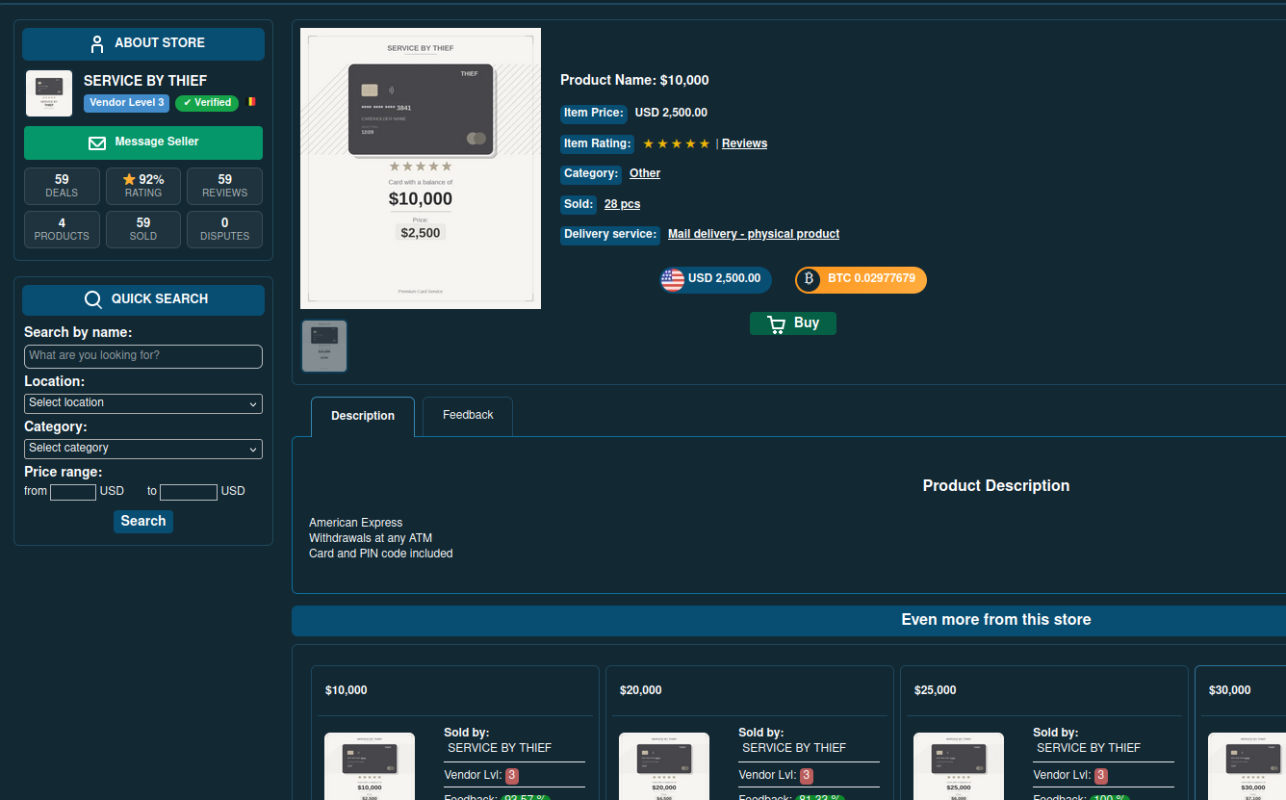
Carding, the practice of buying and selling stolen credit card information, illustrates the inherent dangers of dark web activities. Typically, criminals utilize skimming devices to capture card information, which is then sold on forums and marketplaces. These stolen credentials can lead to significant financial losses for victims and legal repercussions for perpetrators.
A case study involving a resident of Florida highlights the steps involved in carding:
- Skimming: Criminals collect magnetic tracks through devices placed on ATMs or through data breaches.
- Embossing: This involves writing the stolen data onto blank cards, mimicking legitimate cards.
- PIN Code Acquisition: Compromised PINs make the cloned cards usable for withdrawals.
- Cash-Out: The buyer can withdraw money from ATMs using these cloned cards.
- Laundering: Cash is often converted to cryptocurrency to obscure its origin.
In this scenario, the perpetrator purchased cloned debit cards for $480 and managed to withdraw $4,200 before being apprehended. This case exemplifies the risks and eventual consequences associated with carding.
- The Role of Technology in Investigation
Despite the perceived anonymity provided by the dark web, law enforcement agencies have developed sophisticated methods to track illegal activities. When a series of unauthorized withdrawals occurred, banks implemented anti-fraud systems that flagged suspicious activities. This was facilitated by:
- Transaction Logs: Banks maintain records of all transactions for tracking and fraud detection.
- Video Surveillance: ATMs often incorporate cameras that capture customer interactions, which can later be used as evidence.
- Geolocation Data: The location of ATM withdrawals can be correlated with other data points to identify potential suspects.
In the case discussed, investigators utilized video footage from the fourth ATM, which provided a clear image of the perpetrator. This video, combined with a timeline of events, led to a swift identification and subsequent arrest. The amalgamation of digital and physical evidence underscores the effectiveness of modern forensic techniques.
- Legal Consequences of Dark Web Activities
Engaging with the dark web can lead to severe legal repercussions. The case of the Florida resident illustrates the judicial process that follows cybercrime activities. Upon arrest, the individual faced charges of fraud and money laundering, resulting in a five-year sentence and a substantial fine. Factors contributing to the severity of the punishment included:
- Volume of Transactions: The amounts involved in fraudulent activities played a significant role in legal outcomes.
- Nature of Evidence: Clear video evidence and digital footprints facilitated prosecution.
- History of the Individual: Prior convictions, or lack thereof, can influence sentencing.
The judicial process serves as both a deterrent and a method of rectifying the damages caused by such crimes.
Final Observations
The complexities of the dark web, particularly regarding onion links and related criminal activities, necessitate a comprehensive understanding for potential users. Engaging with these hidden services poses considerable risks, both legally and financially. Individuals must remain aware of the possible consequences and the operational methods of law enforcement to mitigate risks associated with these activities.
See also: services
We collect these links for readers who want to compare options. Service directory.